
Why Deep Cleaning Your Garbage Bins Matters
Why Deep Cleaning Your Garbage Bins Matters
Your trash bin isn’t just dirty—it could be hazardous. Whether you live in a high-rise in Uptown or a family home in Lakeview, your garbage bin is exposed to bacteria, pests, mold, and cross-contamination every single week. It’s not just about bad smells—it’s about protecting your home’s health and hygiene.
In this post, we break down the dangers of dirty bins, how to clean them properly, and why monthly bin maintenance is essential—especially for homes with kids, pets, or allergy-prone residents.
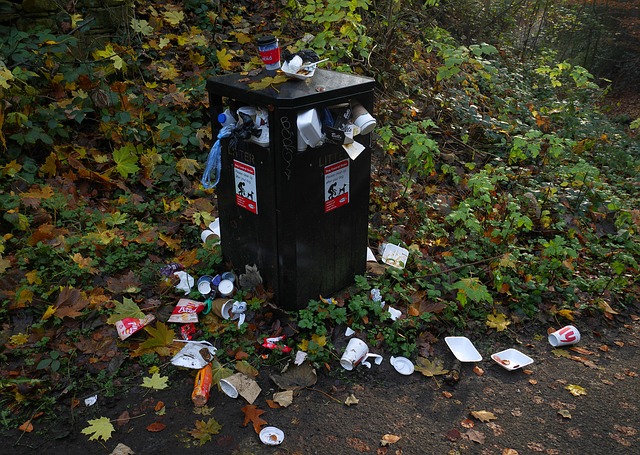
How Dirty Garbage Bins Impact Your Health
1. Harmful Bacteria Thrive in Trash
Food scraps, liquid waste, and humidity turn bins into breeding grounds for:
E. coli
Salmonella
Listeria
Staph
Pseudomonas
These bacteria are linked to serious infections, especially dangerous for children, seniors, or anyone with weakened immunity.
2. Mold & Mildew Trigger Respiratory Issues
Bins that stay damp create mold spores that worsen:
Asthma
Allergies
General indoor air quality
Opening a moldy bin can release harmful particles straight into your face.
3. Germ Transfer Is Real
Garbage bin handles are touched by you, your kids, your garbage collector—and possibly, everyone else’s germs from the truck. Those microbes hitchhike onto your:
Hands
Keys
Car door handles
Kitchen counters
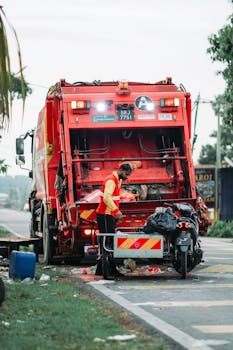
Why Garbage Trucks Increase Contamination
Every collection day, your bin touches other bins and truck surfaces. That’s cross-contamination, and it compounds every week. Over time, that grime makes its way back to your home.
What Else Is Hiding in Your Bin?
Odors that Linger
Rotting waste emits gases that cling to plastic and fill your driveway with bad smells.
Pests that Party
Flies, rodents, raccoons, and ants are drawn to organic bin buildup, bringing:
Infestations
Diseases
Trash messes around your property
Environmental Contamination
Rain mixed with bin residue can seep into:
Soil
Storm drains
Local water sources
It’s not just gross—it’s damaging.
✅ How Often Should You Deep Clean Your Trash Bin?
Experts recommend once a month for a full disinfecting routine. If you deal with food scraps, diapers, or pet waste, you might want to clean even more often.
Step-by-Step: How to Deep Clean a Garbage Bin
Empty the bin completely.
Rinse with a hose or pressure washer.
Apply disinfectant (bleach + water or eco-cleaner).
Let it sit 5–10 minutes per instructions.
Scrub lid, corners, and bottom with a stiff brush.
Rinse again.
Dry in the sun to kill more bacteria.
Deodorize with baking soda or a trash deodorizer.
Why It's Worth Your Time
| Benefit | Why It Matters |
|---|---|
| Better Health | Kills harmful germs before they spread |
| Fresher Smell | Removes odor-causing buildup |
| Pest Prevention | Starves off rodents and insects |
| Home Hygiene | Keeps driveways, garages, and walkways cleaner |
| Cost Savings | Extends bin lifespan—less replacement over time |
DIY or Hire a Pro?
While DIY is doable, professionals offer:
High-temp, high-pressure systems
Eco-safe sanitizers and proper runoff handling
Faster, deeper cleaning without mess or water waste
Final Thought
Don’t underestimate your garbage bin—it’s a hidden health hazard factory if left unchecked. A monthly deep clean can dramatically reduce disease risk, eliminate odors, prevent pests, and contribute to a cleaner, healthier home. And if you’re in Uptown Chicago IL or nearby neighborhoods, Here 2 Clean LLC is ready to help you with professional bin cleaning services to keep your home safe and fresh. https://here2clean-llc.com/
Disclaimer
This post shares general cleaning information. Always use cleaning products as directed and follow local waste regulations.
References & Further Reading
Pristine Trash Binz: importance of keeping bins clean for health & hygiene pristinetrashbinz.com
American Bin Washers: bin cleaning for odor, pests & bin lifespan American Bin Washers
Aquaklean Pressure Washing: bacteria types & cross-contamination risks aquakleansingpressurewashing.com+1
BinBlasters: dangers of dirty garbage cans & food handler contamination simplyrecipes.com+15binblasters.com+15aquakleansingpressurewashing.com+15
Trash Bin Cleaners Direct: neighborhood health, environmental benefits binblasters.com+12Trash Bin Cleaners Direct+12Trash Bin Cleaners Direct+12
Binwrx: top 5 health hazards from dirty bins—bacteria, pests, mold, odor, cross-contamination BINWORX+2Comal Clean Cans+2