
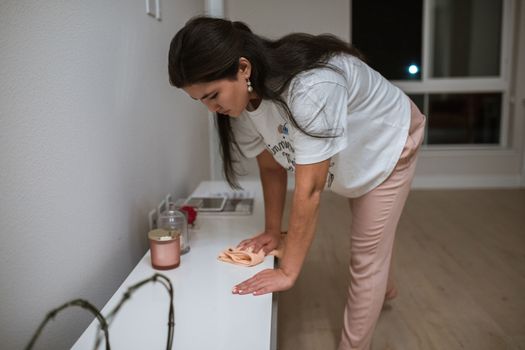
Signs Your Home Needs Deep Cleaning
Your home may look clean at first glance. The dishes are done, the floors are swept, and the counters are wiped.
Then you notice the dust on the baseboards. The bathroom still smells a little off. The kitchen cabinets feel sticky. The house looks tidy, but it does not feel fresh.
Those are often signs your home needs deep cleaning.
A regular cleaning keeps up with daily mess. A deep cleaning tackles the buildup that hides behind, under, and around the areas most people miss. In this guide, we’ll cover the most common signs your home is overdue for a deep clean and what each one means.
What Is the Difference Between Regular Cleaning and Deep Cleaning?
Regular cleaning handles the visible mess.
It usually includes tasks like:
- Wiping counters
- Sweeping and mopping floors
- Cleaning toilets
- Taking out trash
- Vacuuming open areas
- Dusting easy-to-reach surfaces
Deep cleaning goes further.
It focuses on buildup, corners, details, and neglected areas, such as:
- Baseboards
- Door frames
- Cabinet fronts
- Light switches
- Behind appliances
- Bathroom grout
- Shower tracks
- Ceiling fans
- Vents
- Trash cans
- Inside appliances
Regular cleaning helps maintain the home. Deep cleaning resets it.
Quick Note: If you clean often but the house still feels dirty, the issue is usually hidden buildup, not daily clutter.

1. Your Home Has a Lingering Odor
One of the clearest signs your home needs deep cleaning is a smell that does not go away.
You may notice it when you walk in from outside. Guests may notice it before you do.
Common odor sources include:
- Trash cans
- Pet areas
- Bathroom drains
- Garbage disposals
- Dirty grout
- Upholstery
- Carpets
- Refrigerator spills
- Laundry buildup
- Moisture around sinks or tubs
Air fresheners may cover the smell for a short time, but they do not remove the source.
A deep clean helps by targeting the places where odors actually start.
What to Deep Clean
Focus on:
- Trash cans and lids
- Floors around toilets
- Bathroom drains
- Kitchen sink and disposal
- Refrigerator shelves and drawers
- Pet beds and feeding areas
- Upholstery and soft surfaces
- Laundry hampers
- Baseboards near food or pet areas
Common Mistake: Spraying fragrance over odor does not fix the problem. Clean the source first, then improve airflow.
2. Dust Comes Back Quickly
Every home gets dusty. But if dust returns shortly after cleaning, your home may need more detailed attention.
Dust can collect on:
- Ceiling fans
- Vents
- Blinds
- Baseboards
- Window sills
- Light fixtures
- Shelves
- Under furniture
- Behind electronics
- Upholstered furniture
Dust is not only a visual problem. It may contain pollen, pet dander, dust mites, and other particles that affect comfort, especially for people with allergies or asthma.
A deep clean helps remove dust from the areas regular cleaning often skips.
What to Deep Clean
Pay attention to:
- Ceiling fan blades
- Air vents and returns
- Window tracks
- Blinds
- Tops of cabinets
- Behind furniture
- Under beds
- Baseboards
- Lampshades
- Fabric furniture
Pro Tip: Clean from top to bottom. If you clean the floors first and dust the ceiling fan later, you’ll have to clean the floors again.
3. Your Bathroom Looks Clean but Still Feels Dirty
Bathrooms can look fine from a distance but still need a deep clean.
Signs include:
- Dark grout lines
- Soap scum on shower glass
- Hard water spots
- Odor near the toilet
- Dust behind the toilet
- Buildup around faucets
- Dirty shower tracks
- Stains around drains
- Mildew smell
- Sticky floor edges
Bathrooms collect moisture, body oils, soap residue, hair, toothpaste, and product buildup. Regular wiping helps, but it may not remove the deeper grime.
What to Deep Clean
Focus on:
- Grout lines
- Shower doors and tracks
- Tub edges
- Faucet bases
- Toilet base and hinges
- Floors behind the toilet
- Bathroom vents
- Cabinet handles
- Sink overflow area
- Trash can
Reality Check: If your bathroom still smells after cleaning the toilet and sink, check the floor around the toilet, drains, trash can, and shower area.
4. Your Kitchen Cabinets Feel Sticky
Grease does not always look obvious at first.
Over time, it settles on cabinet doors, handles, walls, appliances, and nearby surfaces. This is especially common near the stove.
Signs of kitchen grease buildup include:
- Sticky cabinet fronts
- Yellowish residue
- Dust stuck to surfaces
- Greasy range hood
- Film on backsplash
- Smudged appliance handles
- Food crumbs in corners
- Odor near the stove
This type of buildup can make a kitchen feel dirty even when the counters are clean.
What to Deep Clean
Target:
- Cabinet fronts
- Cabinet handles
- Range hood
- Backsplash
- Stove knobs
- Appliance handles
- Microwave exterior and interior
- Walls near the stove
- Floors under cabinet edges
- Trash area
Pro Tip: Grease attracts dust. If your cabinets feel sticky and dusty at the same time, they need more than a quick wipe.
5. Baseboards, Doors, and Trim Are Noticeably Dirty
Baseboards are easy to ignore until they become one of the first things you notice.
Look for:
- Dust lines
- Scuff marks
- Pet hair
- Sticky spots
- Dirt around door frames
- Fingerprints near handles
- Grime along trim
- Black marks near entryways
Baseboards and trim collect more dirt than people realize, especially in homes with pets, kids, or heavy foot traffic.
What to Deep Clean
Focus on:
- Baseboards in hallways
- Door frames
- Closet doors
- Bedroom doors
- Trim near bathrooms
- Entryway walls
- Stair risers
- Light switches
- Handrails
Quick Note: Clean trim makes a room look fresher fast because it frames the whole space.
6. You See Buildup Around High-Touch Areas
High-touch areas are surfaces people touch every day.
They often collect fingerprints, oils, germs, and grime.
Common high-touch areas include:
- Door handles
- Light switches
- Cabinet pulls
- Faucet handles
- Appliance handles
- Remote controls
- Stair railings
- Chair backs
- Drawer pulls
- Refrigerator handles
These spots may not look terrible from across the room, but up close, the buildup is usually clear.
What to Deep Clean
Wipe and disinfect high-touch areas regularly, especially in:
- Kitchens
- Bathrooms
- Entryways
- Kids’ rooms
- Shared living spaces
- Home offices
Common Mistake: Cleaning large surfaces while skipping handles and switches. These small areas often get touched more than the surfaces around them.
7. Pet Hair and Odors Are Harder to Control
Pets make a house feel like home, but they also add extra cleaning challenges.
Signs your pet areas need a deep clean include:
- Hair along baseboards
- Odor near pet beds
- Fur on upholstery
- Dander on surfaces
- Dirty feeding areas
- Litter box odor
- Stains near doors
- Paw prints on floors
- Hair trapped under furniture
Regular vacuuming helps, but pet hair often hides in corners, fabric, vents, and under furniture.
What to Deep Clean
Focus on:
- Pet beds
- Feeding stations
- Under sofas
- Under beds
- Rugs
- Upholstery
- Baseboards
- Entryways
- Litter box areas
- Air vents
Pro Tip: Move furniture when possible. Pet hair often gathers where regular vacuuming cannot reach.
8. Your Floors Look Dull After Mopping
If your floors still look dull after mopping, the problem may be buildup.
Common causes include:
- Too much cleaning product
- Dirty mop water
- Grease
- Dust buildup
- Sticky residue
- Soil in grout lines
- Worn entryway areas
- Pet residue
Mopping removes surface dirt, but it may not remove layered grime.
What to Deep Clean
Pay attention to:
- Kitchen floors
- Bathroom floors
- Entryways
- Hallways
- Corners
- Edges near cabinets
- Grout lines
- Under tables
- Around trash cans
Reality Check: More product does not always mean cleaner floors. Too much cleaner can leave residue that attracts more dirt.
9. You Avoid Opening Closets, Cabinets, or Drawers
Hidden spaces often reveal whether a home needs deep cleaning.
If you avoid opening certain areas because they feel messy, dusty, or sticky, it may be time for a reset.
Check:
- Kitchen cabinets
- Bathroom cabinets
- Junk drawers
- Pantry shelves
- Linen closets
- Laundry cabinets
- Under-sink areas
- Entry closets
These areas collect crumbs, leaks, expired products, dust, and clutter.
What to Deep Clean
Start with one section at a time:
- Empty the space
- Throw away expired items
- Wipe shelves
- Clean spills
- Let the area dry
- Organize items before putting them back
Pro Tip: Do not pull everything out of every cabinet at once. That creates a bigger mess and makes the job harder to finish.
10. You Notice Moisture, Mildew, or Musty Smells
Moisture problems should not be ignored.
Musty smells, visible mildew, or damp areas may point to a bigger issue.
Watch for:
- Musty odor
- Dark spots near tubs or sinks
- Damp cabinets
- Condensation
- Water stains
- Soft or swollen materials
- Mildew on grout
- Odor near windows
- Stains under sinks
Deep cleaning may help with surface mildew and moisture-related grime, but recurring moisture needs to be fixed at the source.
What to Deep Clean
Clean and inspect:
- Under sinks
- Around toilets
- Shower grout
- Tub edges
- Window tracks
- Bathroom vents
- Laundry areas
- Basement corners
- Around appliances
Important Note: If you see large mold growth, repeated moisture, or water damage, cleaning alone may not be enough. You may need professional mold or water-damage help.
11. Your Home Feels Cluttered Even After Tidying
Sometimes the issue is not dirt alone. It is buildup combined with clutter.
A home may feel heavy or messy when:
- Counters are always crowded
- Papers pile up
- Closets are packed
- Cleaning supplies are scattered
- Shoes collect near the door
- Laundry never fully resets
- Storage areas are overloaded
Deep cleaning works better when paired with decluttering.
You do not need to become a minimalist. You only need enough clear space to clean properly.
What to Deep Clean
Start with high-impact areas:
- Kitchen counters
- Bathroom counters
- Entryway
- Dining table
- Bedroom floor
- Laundry area
- Nightstands
- Closets
Quick Note: You cannot clean around clutter forever. At some point, the clutter itself becomes part of the cleaning problem.
12. You Cannot Remember the Last Time You Deep Cleaned
If you cannot remember the last time you cleaned behind the appliances, wiped baseboards, washed trash cans, or cleaned vents, your home is probably overdue.
Most maintained homes benefit from a deeper clean every few months. Homes with pets, kids, allergies, frequent guests, or heavy cooking may need it more often.
Deep cleaning does not mean every inch of the home needs to be scrubbed every week. It means the overlooked areas need a scheduled reset.

Simple Deep Cleaning Checklist
Use this checklist when your home feels overdue.
Kitchen
- Cabinet fronts
- Stove and range hood
- Microwave
- Refrigerator shelves
- Backsplash
- Sink and faucet
- Trash can
- Floors and corners
Bathroom
- Shower grout
- Shower doors or curtain
- Toilet base
- Sink and faucet
- Floors behind toilet
- Vent cover
- Trash can
- Cabinet handles
Living Areas
- Ceiling fans
- Baseboards
- Window sills
- Vents
- Upholstery
- Under furniture
- Light switches
- Door handles
Bedrooms
- Under bed
- Baseboards
- Closet floor
- Nightstands
- Blinds
- Ceiling fan
- Laundry hamper area
Entryways
- Door glass
- Door frame
- Shoe area
- Floors
- Baseboards
- Light switches
- Mats or rugs
How Often Should You Deep Clean?
There is no perfect schedule for every home.
As a general rule, many homes benefit from a deep clean every season or every few months. However, your home may need it more often if you have:
- Pets
- Children
- Allergies
- Heavy cooking
- High foot traffic
- Frequent guests
- Multiple occupants
- Older bathrooms
- Poor ventilation
- A busy schedule that limits weekly cleaning
If you stay consistent with regular cleaning, deep cleaning becomes easier. If regular cleaning falls behind, deep cleaning becomes more important.
Final Takeaway
The biggest signs your home needs deep cleaning are usually not dramatic. They are small clues that buildup is collecting in places regular cleaning does not reach.
Lingering odors, fast-returning dust, sticky cabinets, dull floors, dirty baseboards, bathroom buildup, pet hair, and musty smells all point to the same thing: your home needs a deeper reset.
You do not have to deep clean everything in one day. Start with the areas causing the biggest problem. Then build a simple schedule so the mess does not build back up.
Disclaimer
This article is for general cleaning education only. If you see large mold growth, water damage, sewage, biohazards, pest infestation, or strong unexplained odors, contact the appropriate licensed professional. Always follow product labels and avoid mixing cleaning chemicals.
Resources
- U.S. Environmental Protection Agency: Indoor Air Quality
- U.S. Environmental Protection Agency: A Brief Guide to Mold, Moisture and Your Home
- Centers for Disease Control and Prevention: Mold
- Southern Living: How Often Do You Really Need to Deep Clean Your House?
- Southern Living: Household Items You May Be Forgetting to Clean