
The Truth About Disinfectants: What Works and What’s Just Marketing
The Truth About Disinfectants: What Works and What’s Just Marketing
Disinfectants are a must-have in professional cleaning—but not everything you see on a label matches the reality. Between marketing buzzwords and scientific requirements, it’s easy to misunderstand what disinfectants actually do.
If you’re a homeowner, renter, or cleaning professional in North Chicago, knowing the facts helps you clean smarter, protect your family, and avoid wasting money.
What Disinfectants Really Do
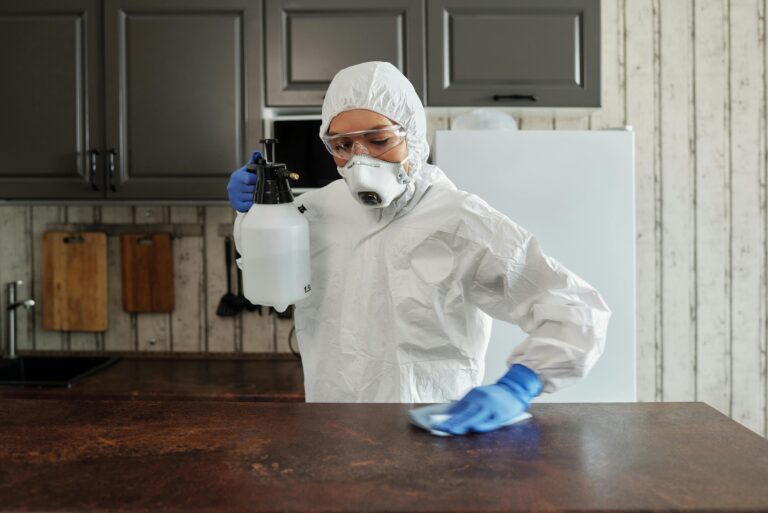
Disinfectants are chemical agents designed to kill or deactivate harmful microorganisms—but only when used correctly.
Dwell (contact) time matters. Most EPA-registered disinfectants need surfaces to stay wet for up to 10 minutes to achieve full effectiveness. Some new peroxide-based products work faster, but always check the label.
Surface compatibility counts. Bleach may disinfect well but can permanently damage wood, marble, or certain fabrics.
Target organisms differ. No product kills everything. Always confirm which bacteria or viruses it’s effective against.
👉 Takeaway: The label isn’t just marketing—it’s law. Use products as directed.
Marketing Myths Debunked
“Kills 99.9% of germs”
True in controlled lab tests, but less so in the real world with dirt, grime, and missed dwell times.
“All-natural equals safer”
Vinegar or lemon juice may clean, but they’re not EPA-registered disinfectants. They can’t guarantee pathogen elimination.
“One product for everything”
Multi-surface sprays can clean but may not disinfect effectively in high-risk zones like bathrooms, gyms, or healthcare facilities.
What Works—and Why
Quaternary Ammonium Compounds (Quats): Reliable against bacteria and viruses when used properly, though linked to health risks if overused.
Bleach (Sodium Hypochlorite): Powerful and inexpensive, but harsh—best reserved for medical or high-contamination areas.
Hydrogen Peroxide & Accelerated Hydrogen Peroxide (AHP): Surface-friendly, quick contact times (as low as 30 seconds), and breaks down into water and oxygen.
Alcohol (70% Isopropyl/Ethanol): Great for small, high-touch surfaces. Dries too quickly for large areas.
When Cleaning Alone Is Enough
In low-risk residential areas, soap and water or all-purpose cleaners may be enough for daily maintenance. Reserve disinfectants for high-touch, high-risk spots:
Doorknobs
Light switches
Remote controls
Bathrooms
⚠️ Professional Insights
Label compliance is mandatory. Ignoring dilution or dwell time isn’t just ineffective—it may be illegal under FIFRA (Federal Insecticide, Fungicide, and Rodenticide Act).
Overuse carries risks. Quats and bleach have been linked to asthma, skin irritation, and long-term health issues. Always wear PPE.
Disinfection isn’t one-and-done. Microbes return quickly. High-touch surfaces need daily treatment for best results.
Final Takeaway
Disinfectants are powerful tools—but only when used correctly and strategically. To protect your home or workplace:
Choose the right product for the surface.
Allow proper dwell time.
Rotate between heavy-duty and everyday disinfectants to balance safety and effectiveness.
Your clients or family may never see the label—but they’ll notice the results.
👉 Need professional-level cleaning in North Chicago? Here 2 Clean LLC provides safe, effective cleaning practices that go beyond the hype.
Disclaimer
This post provides general cleaning guidance. Always follow manufacturer labels, EPA regulations, and safety instructions when using disinfectants.